Jira-ServiceNow Integration: Avoid IT & Dev Fallout
Why IT and Dev drift without Jira–ServiceNow integration
Enterprise-grade companies rely on a complex ecosystem of interconnected tools to deliver products, maintain services, and ensure seamless customer experiences. On the IT operations side, ServiceNow has long been the backbone of IT service management (ITSM), governing incident handling, change requests, and ITIL-aligned workflows. Meanwhile, developers and DevOps engineers spend their time in Jira, managing sprints, tracking bugs, and coordinating releases.
Individually, these platforms are powerful. But without a Jira–ServiceNow integration, their strengths often turn into isolated silos. Data becomes fragmented, collaboration breaks down, and organizations lose visibility across functions that are supposed to work in sync. The result: slower resolutions, mounting SLA pressure, and growing frustration on both the IT and Dev sides.
When Jira and ServiceNow are not integrated, misalignment ripples across the business — from delayed responses to customer dissatisfaction. This article explores the consequences of disconnection, the operational and cultural impact, and why companies that integrate Jira and ServiceNow gain a critical competitive advantage. It also highlights how enterprises are solving these challenges using no-code integration platforms such as ZigiOps, which was designed precisely for this use case.
The Divide Between IT and Development
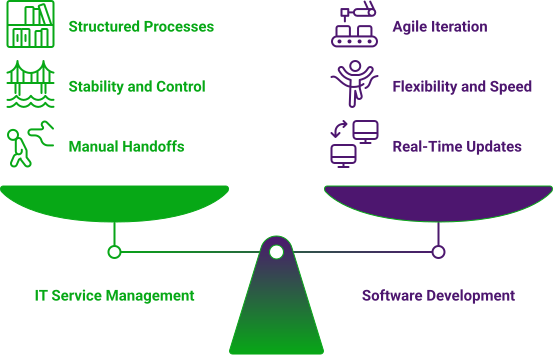
At first glance, IT service management and software development appear to serve very different purposes. ServiceNow is built around structured, ITIL-compliant processes: incidents are logged, categorized, prioritized, and routed systematically to ensure service continuity. The focus is stability and control.
In contrast, Jira was designed for flexibility and speed. Development teams use it to manage agile backlogs, track issues, and iterate quickly through releases. Their focus is innovation and delivery.
While both disciplines are critical, their differing rhythms and priorities often lead to friction. When a high-severity incident arises, IT logs it in ServiceNow and begins triage. But if the fix requires code changes or a configuration adjustment, developers must intervene in Jira. Without integration, this handoff becomes manual — typically via email, chat, or spreadsheets — and prone to delay or error.
A recent industry survey revealed that 60% of organizations do not include developers in their incident response workflows, and only 15% have fully cross-functional collaboration between IT and Dev teams. In most cases, the disconnect isn’t cultural — it’s technological. The tools that both teams depend on simply don’t talk to each other.
When you integrate Jira and ServiceNow, this barrier disappears. Incidents are automatically converted to Jira issues, updates flow in real time, and teams can focus on resolution instead of coordination.
Manual Work and Ticket Duplication
Few inefficiencies drain productivity like manual data transfer between systems. Picture this: an IT agent logs a Priority 1 incident in ServiceNow at 2:00 a.m. To involve developers, they manually create a matching ticket in Jira, retyping the summary, description, and impact details. In a moment of fatigue, a critical attachment or note gets left out. The developer begins investigating with incomplete context.
By the time clarification is requested and the issue corrected, valuable time has already been lost — and the SLA clock continues ticking.
This scenario is common in organizations without an established Jira ServiceNow integration. Manual duplication not only increases the likelihood of human error but also introduces lag, inconsistency, and unnecessary stress. Research suggests automated workflows can be up to ten times more efficient than manual ones.
To eliminate these bottlenecks, many teams adopt intelligent, event-driven connectors. For example, ZigiOps automatically detects a new incident in ServiceNow, evaluates configured triggers and filters, and creates a corresponding issue in Jira instantly. The platform ensures that both records remain synchronized at all times — status, priority, and comments included — without anyone switching systems or copying data manually.
This level of automation not only improves operational accuracy but also frees IT and Dev resources to focus on what actually matters: resolving incidents and delivering value to the business.
Communication Breakdowns Between IT and Dev
Even when duplication is addressed, communication remains one of the most significant challenges. Developers work in Jira, updating tasks and issues as they progress toward a resolution. However, those updates — new comments, status changes, or added attachments — remain trapped in Jira. IT agents in ServiceNow have no visibility unless they explicitly request it.
As a result, customers seeking updates call the helpdesk repeatedly. Agents are forced to provide vague answers, developers feel bombarded by status requests, and both teams grow frustrated.
A robust bi-directional Jira–ServiceNow integration solves this issue completely. Every update, comment, and status change flows automatically between systems. Platforms like ZigiOps ensure ServiceNow work notes mirror Jira comments (with author and timestamp included), giving IT and Dev teams complete transparency without the need for manual communication.
One CIO summarized the impact clearly: “Before integration, IT agents were guessing while developers were coding in isolation. Once we connected Jira and ServiceNow, everyone spoke the same language — and our customer updates became consistent and confident.”
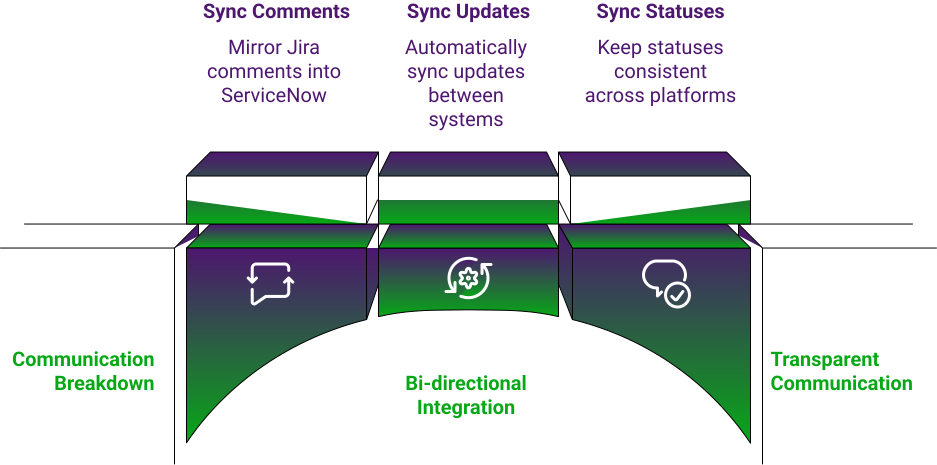
When information flows automatically, collaboration becomes effortless, response times improve, and customer satisfaction increases significantly.
SLA Breaches and Escalations
Service Level Agreements (SLAs) form the backbone of IT support performance. They define acceptable response and resolution times and often carry direct financial implications. Without an integrated workflow, each manual handoff between IT and Dev adds risk.
If a critical incident logged in ServiceNow takes hours to be manually replicated in Jira, developers may not even see it until the SLA is nearly expired. Escalations then cascade throughout the organization — from team leads to department heads — as everyone scrambles to catch up. What could have been resolved quietly becomes an avoidable crisis.
According to Gartner, enterprises that lack integrated workflows experience up to 30% longer incident resolution times compared to those that integrate Jira and ServiceNow. Conversely, companies that automate incident flow between the two systems often see measurable improvements in Mean Time to Resolution (MTTR), SLA compliance, and overall service reliability.
By enabling real-time synchronization, solutions such as ZigiOps provide immediate visibility into high-priority issues. The system’s field mapping and conditional logic ensure that P1 incidents in ServiceNow instantly appear as top-priority tasks in Jira, allowing developers to act before escalation even becomes necessary.
Lack of Visibility Across Teams
Beyond communication and duplication, one of the most damaging effects of disconnected tools is the lack of visibility across IT and Dev operations.
When ServiceNow and Jira are isolated, IT teams lose sight of progress once an issue leaves their system, while developers lack context about the business impact of their work. This gap leads to misaligned priorities. A bug marked as “low severity” in Jira might actually be causing major downtime for a key customer — but without integrated visibility, Devs have no way of knowing.
Similarly, IT may escalate incidents that developers are already resolving, simply because progress isn’t visible on the ServiceNow side. The duplication of effort adds confusion and tension between departments.
A Jira–ServiceNow integration with full field mapping capabilities prevents this disconnect. Platforms like ZigiOps can synchronize fields such as impact, urgency, and affected services from ServiceNow to Jira, while mapping developer status and comments back in real time. Both teams gain a unified view of the incident lifecycle.
The outcome is not just technical alignment but also cultural: IT and Dev begin to operate as one continuous delivery function, not separate entities.
.svg)
Employee Frustration and Burnout
When tools fail to support collaboration, employees feel the strain. IT agents grow frustrated with repetitive data entry and unclear updates. Developers become irritated when they receive incomplete tickets or are chased for information they’ve already documented elsewhere. Over time, these friction points compound, contributing to burnout and disengagement.
This human element is often underestimated. Productivity loss due to low morale can outweigh the measurable time wasted on manual processes.
Organizations that integrate Jira and ServiceNow frequently report not only faster response times but also a noticeable improvement in employee satisfaction. With integration, IT can focus on service quality and user communication, while developers receive structured, context-rich issues ready for action.
When one global telecom company implemented ZigiOps for its Jira–ServiceNow integration, internal surveys showed a 40% reduction in incident-related frustration among support engineers and developers. As one IT manager described it, “It felt like we finally stopped fighting our tools and started working as one team.”
A well-designed integration doesn’t just improve systems — it improves people’s experience of their work.
“In today’s fast-paced and technology-driven world, DevOps and IT service management (ITSM) concepts are crucial in work environments that cultivate psychological safety and reduce technostress.” -ManageEngine ServiceDesk Plus
The Business Impact of Siloed Systems
The effects of disconnected IT and Dev systems extend far beyond internal frustration. The consequences reach into every layer of the business.
When Jira and ServiceNow are not integrated, organizations face measurable operational inefficiencies, including:
Before we break these down, it’s important to understand that each symptom stems from the same core issue: fragmentation. Information trapped in one system cannot inform decisions in another, leading to duplication, delays, and lost opportunities.
- Slower incident resolution: Manual coordination extends Mean Time to Resolution (MTTR), delaying service restoration.
- Lost productivity: Skilled employees waste hours copying data or chasing updates instead of solving problems.
- SLA penalties: Missed deadlines result in financial penalties and strained customer relationships.
- Customer frustration: Inconsistent communication erodes trust and loyalty.
- Escalation overhead: Managers and executives are pulled into reactive firefighting instead of focusing on strategy.
Research confirms the impact. Gartner reports that companies with disconnected IT and Dev workflows have resolution times up to 30% longer than integrated peers, while operational costs can rise by as much as 25%. Over time, this inefficiency directly affects profitability and customer retention.
For large enterprises managing thousands of incidents per month, even a modest improvement from integration can translate into millions in recovered productivity and avoided penalties.
What a Jira ServiceNow Integration Enables?
The problems outlined so far share a single root cause: ServiceNow and Jira don’t natively connect. When integration is implemented, the transformation is immediate and measurable.
Before listing the benefits, consider the shift in mindset. Integration isn’t merely a technical project — it’s a collaboration strategy. By connecting your ITSM and DevOps ecosystems, you create a single operational flow from detection to resolution, with no loss of data or accountability.
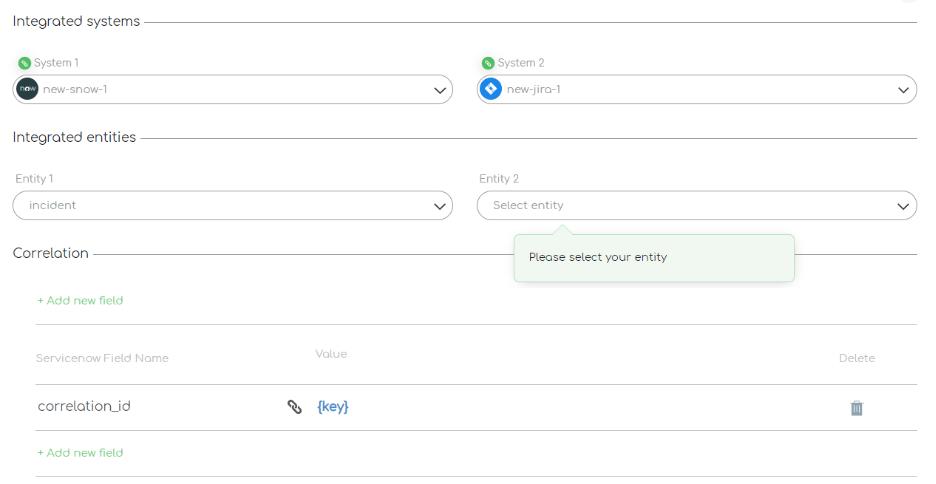
A seamless Jira ServiceNow integration delivers:
- Real-time synchronization: Incidents logged in ServiceNow automatically appear as Jira issues, keeping both sides aligned.
- Closed-loop communication: Statuses, comments, and attachments are mirrored across systems for full transparency.
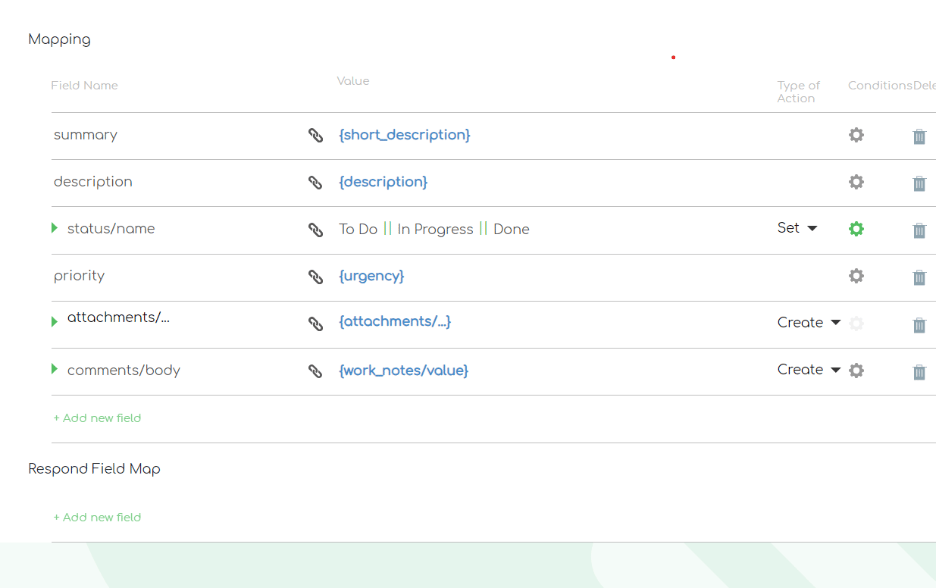
- Context-rich data sharing: Key fields like category, priority, and impacted service stay synchronized, ensuring shared understanding.
- Aligned workflows: State transitions and ownership mapping reflect accurately between IT and Dev.
- Shared visibility: Dashboards and reports can pull data from both tools, providing management with a unified performance view.
Solutions like ZigiOps take this a step further. Its no-code data integration platform allows enterprises to configure, scale, and secure integrations without development effort. Built with enterprise-grade architecture, ZigiOps supports custom field mapping, granular filtering, and advanced authentication mechanisms like OAuth and tokenized access — while maintaining audit trails for compliance. (check out our article on security)
By eliminating manual friction and aligning workflows, integrating Jira and ServiceNow enables teams to move from reactive troubleshooting to proactive service delivery.
See how ZigiOps resolves a common Jira ServiceNow integration use case scenario:
Looking Ahead: Integration as the Foundation for Automation
The benefits of connecting Jira and ServiceNow don’t stop at solving current inefficiencies. Integration is the foundation for the next phase of intelligent operations.
Emerging technologies such as AI, predictive analytics, and automation depend on unified, high-quality data. Machine learning models can only identify patterns or forecast incidents when IT and Dev data are integrated. Similarly, AI-driven prioritization requires a single, accurate view of incidents and issues across both systems.
“DevOps+ integration brings greater agility and speed to IT service management. Organizations can streamline the release process by automating deployment pipelines and implementing continuous integration and continuous delivery (CI/CD) practices, reducing time-to-market for new features and updates.”- DevOps.com
When you integrate Jira and ServiceNow, you establish the infrastructure needed for intelligent automation — from auto-triage and smart routing to predictive problem management.
Forward-looking organizations are already taking advantage of this. For example, ZigiOps integrations feed unified data streams into analytics and monitoring tools, enabling predictive insights and proactive remediation. Integration becomes not just an operational improvement but a strategic investment in digital maturity.
Conclusion
Jira and ServiceNow are indispensable tools for modern enterprises, but when used in isolation, they create silos that undermine performance, increase costs, and erode employee morale. Manual duplication, broken communication, and a lack of shared visibility are symptoms of the same problem — disconnection.
Implementing a seamless Jira–ServiceNow integration addresses these pain points at their source. It aligns IT and Dev operations, accelerates incident resolution, improves SLA compliance, and enhances customer satisfaction.
While organizations can attempt to connect the two platforms with scripts or native connectors, these solutions often require extensive maintenance and lack scalability. No-code platforms like ZigiOps provide a practical, enterprise-ready alternative. They offer secure, customizable, and fully supported integrations that evolve with the business — ensuring that IT and Dev teams work together as a single, efficient ecosystem.
In an era where speed, reliability, and collaboration define success, integrating Jira and ServiceNow is no longer optional — it’s essential.
Need help integrating your Jira and ServiceNow systems? Try ZigiOps – book a demo today and start scaling your systems’ performance.
Check out our other ServiceNow to Jira integration articles: